
Industrial equipment represents a substantial investment for any manufacturing facility, processing plant, or production operation. The difference between a machine lasting five years versus fifteen years often comes down to one critical factor: the quality and maintenance of its sealing systems. Extending equipment lifespan through proper sealing solutions isn’t just about preventing leaks—it’s about protecting your entire operation from costly downtime, contamination, and premature component failure. When seals perform optimally, they create barriers against moisture, chemicals, dust, and extreme temperatures that would otherwise degrade internal mechanisms and reduce operational efficiency.
Understanding the critical role of sealing systems
Sealing solutions serve as the first line of defense for expensive machinery operating under demanding conditions. A properly selected and installed seal prevents external contaminants from entering sensitive components while simultaneously containing lubricants, coolants, and process fluids where they belong. Research conducted by maintenance engineering associations indicates that approximately forty percent of unplanned equipment failures stem from inadequate sealing, making this seemingly simple component one of the most important factors in asset longevity. The cost of replacing a seal is minimal compared to replacing an entire motor, pump, or gearbox destroyed by contamination or fluid loss. Every maintenance manager knows that preventing problems costs significantly less than repairing damage after it occurs, yet sealing systems often receive insufficient attention during equipment specification and routine maintenance schedules.
Selecting appropriate sealing materials for your application
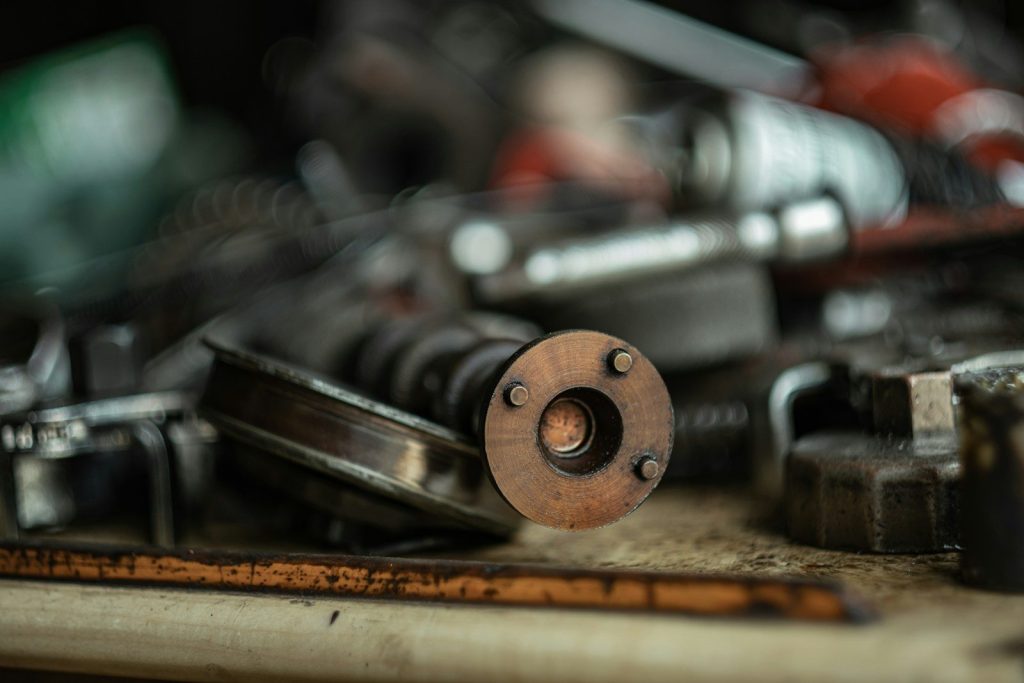
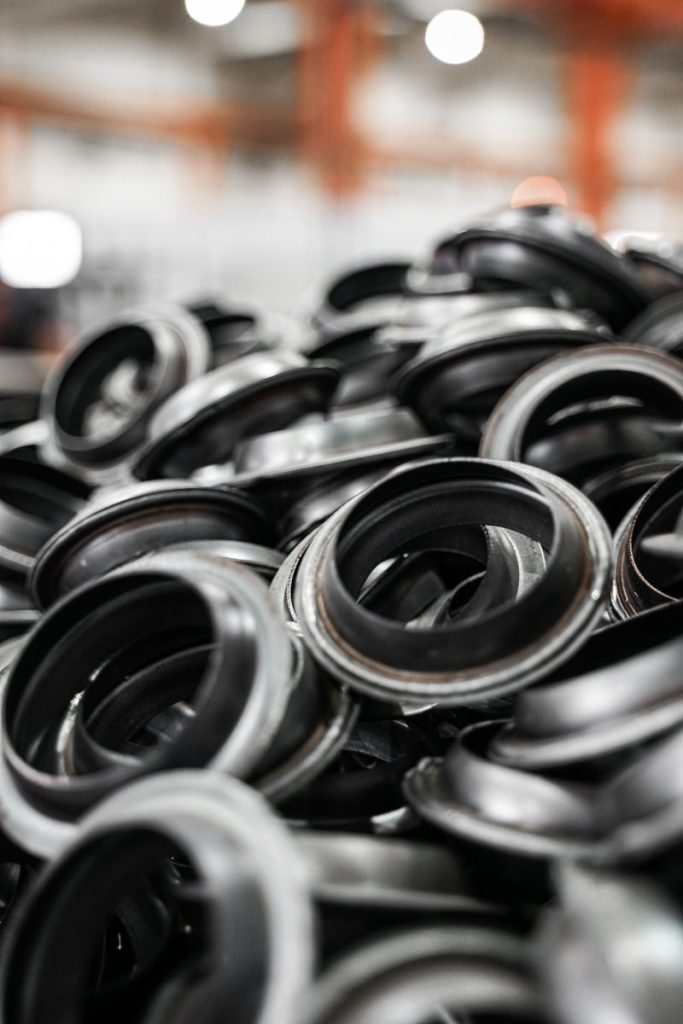
The effectiveness of any sealing solution depends entirely on matching the material properties to the specific operating environment. Temperature extremes, chemical exposure, pressure differentials, and mechanical movement all influence which sealing material will deliver optimal performance. Gasket sheets provide versatile sealing options for static applications where flanges, access panels, and equipment housings require reliable barriers against fluid and gas migration. These compressed fiber or composite materials come in various thicknesses and compositions designed for specific temperature ranges and chemical compatibilities. For applications involving aggressive chemicals, high temperatures exceeding three hundred degrees Celsius, or extreme pressure conditions, metal gaskets offer superior durability and dimensional stability that organic materials simply cannot match. Stainless steel, copper, and specialized alloy gaskets maintain their sealing integrity where rubber, cork, or fiber materials would quickly deteriorate. The key to extending equipment lifespan through proper sealing solutions lies in conducting thorough application analysis before making material selections based solely on initial cost.
Evaluating operating conditions accurately
Too many equipment failures result from incomplete understanding of actual operating conditions versus design specifications. A pump may be rated for moderate chemical service, but periodic cleaning cycles might expose seals to harsh solvents that weren’t considered during initial equipment specification. Temperature cycling creates expansion and contraction that can cause seal degradation over time, particularly when materials weren’t selected with these variations in mind. Documentation of actual operating parameters—including temperature ranges, chemical exposure frequency, vibration levels, and pressure fluctuations—enables informed decisions about seal materials and designs. This assessment should occur during initial equipment specification and again during scheduled maintenance intervals when operating conditions may have changed from original expectations.
Installation practices that maximize seal performance
Even the highest quality sealing materials will fail prematurely when installation procedures compromise their effectiveness. Surface preparation ranks among the most critical factors determining seal longevity, yet rushed maintenance schedules often lead to inadequate cleaning and inspection of mating surfaces. Scratches, corrosion, warping, or residual gasket material from previous installations create pathways for leakage regardless of the new seal’s quality. Flange faces should be cleaned to bare metal, inspected for damage, and verified flat within manufacturer tolerances before installing new seals. Proper bolt tightening procedures prevent both under-compression and over-compression, both of which reduce sealing effectiveness and accelerate material degradation. Following torque specifications in the correct sequence ensures even load distribution across the entire sealing surface, preventing localized stress concentrations that lead to premature failure.
Metal gaskets and specialized high-performance applications
When equipment operates at the extremes of temperature, pressure, or chemical aggression, standard sealing materials simply cannot deliver adequate longevity. Metal gaskets engineered from materials like stainless steel, Inconel, or Monel provide the mechanical strength and chemical resistance required in these demanding environments. Heat exchangers processing corrosive fluids at elevated temperatures rely on metallic sealing solutions that maintain integrity through thousands of thermal cycles. High-pressure reactor vessels use precision-machined metal seals with specific groove geometries that create reliable barriers against extremely hazardous process materials. The initial cost of these specialized sealing solutions typically exceeds conventional materials by several times, but the return on investment becomes clear when considering replacement frequency and potential consequences of seal failure. A properly specified metallic seal in a critical application might function reliably for five to ten years, whereas inappropriate organic seals might require replacement every few months.
Implementing predictive maintenance for sealing systems
Modern maintenance strategies have shifted from reactive repairs to predictive approaches that identify developing problems before they cause failures. Regular inspection of sealing systems should include visual examination for signs of leakage, material degradation, or mechanical damage. Thermal imaging can detect temperature anomalies indicating seal degradation or improper installation before visible leakage occurs. Vibration analysis identifies misalignment or bearing problems that place excessive stress on shaft seals. Documentation of inspection findings creates historical records enabling trend analysis that predicts when seal replacement will become necessary, allowing planned maintenance during scheduled downtime rather than emergency repairs during production runs. How much could your facility save by eliminating just one unplanned shutdown caused by seal failure?
Environmental factors affecting seal longevity
Beyond the immediate operating environment, broader facility conditions significantly influence how long sealing solutions remain effective. Ambient humidity levels affect hygroscopic gasket materials that absorb moisture and lose dimensional stability. Ultraviolet exposure from natural or artificial lighting degrades certain elastomers and polymers used in seal construction. Chemical vapors present in the facility atmosphere may attack sealing materials even when those chemicals don’t directly contact the seals during normal operation. Storage conditions for spare seals also matter—gasket sheets stored improperly in damp warehouses or exposed to temperature extremes may deteriorate on the shelf before ever being installed. Implementing proper storage procedures, including climate-controlled environments and sealed packaging for sensitive materials, ensures that replacement seals perform as expected when installed. These seemingly minor environmental considerations contribute substantially to extending equipment lifespan through proper sealing solutions.
Training and knowledge transfer for maintenance teams
The most advanced sealing technologies deliver their benefits only when maintenance personnel understand proper selection, installation, and inspection procedures. Formal training programs covering sealing fundamentals, material selection criteria, and installation best practices provide essential knowledge for teams responsible for equipment reliability. Manufacturer representatives often provide on-site training specific to their products and applications, offering valuable insights beyond generic maintenance education. Creating detailed documentation of sealing specifications for each piece of equipment, including material types, suppliers, and installation procedures, prevents knowledge loss when experienced personnel retire or transfer. Are your maintenance technicians equipped with the knowledge needed to make informed decisions about sealing solutions? Regular skills assessment and ongoing education ensure that your team maintains expertise as new materials and technologies emerge in the sealing industry.
Calculating the total cost of sealing system ownership
Short-term thinking about component costs leads to decisions that increase long-term expenses substantially. A less expensive seal that requires replacement three times as frequently ultimately costs more in labor, downtime, and lost production than a premium product lasting significantly longer. Calculating total cost of ownership requires factoring in purchase price, installation labor, expected service life, downtime costs during replacement, and potential consequences of unexpected failure. For critical equipment where failure causes production stoppage or safety hazards, the value of reliability far exceeds the incremental cost difference between adequate and superior sealing solutions. Financial analysis consistently demonstrates that investing in proper sealing solutions reduces overall maintenance costs while improving equipment availability and operational safety throughout extended service lives.
Proper sealing solutions represent one of the most cost-effective strategies for protecting industrial equipment investments and maximizing operational efficiency. By carefully selecting appropriate materials, following rigorous installation procedures, implementing predictive maintenance practices, and ensuring personnel have necessary knowledge, organizations dramatically extend equipment lifespan while reducing unplanned downtime and maintenance costs. The difference between adequate and exceptional equipment reliability often traces back to these seemingly simple components that perform critical protective functions every hour of operation.
