

Workplace safety remains one of the most pressing concerns for organizations across all industries. The Critical Elements for Maintaining a Safe Work Environment extend far beyond basic compliance with regulations and touch every aspect of daily operations. From manufacturing facilities to office buildings, creating a culture where employees feel protected requires careful attention to physical infrastructure, equipment maintenance, training programs, and continuous risk assessment. Companies that prioritize safety see measurable benefits including reduced injury rates, lower insurance costs, improved employee morale, and increased productivity. The investment in comprehensive safety measures typically pays for itself within the first year through decreased downtime and workers’ compensation claims.
Essential equipment maintenance and inspection protocols
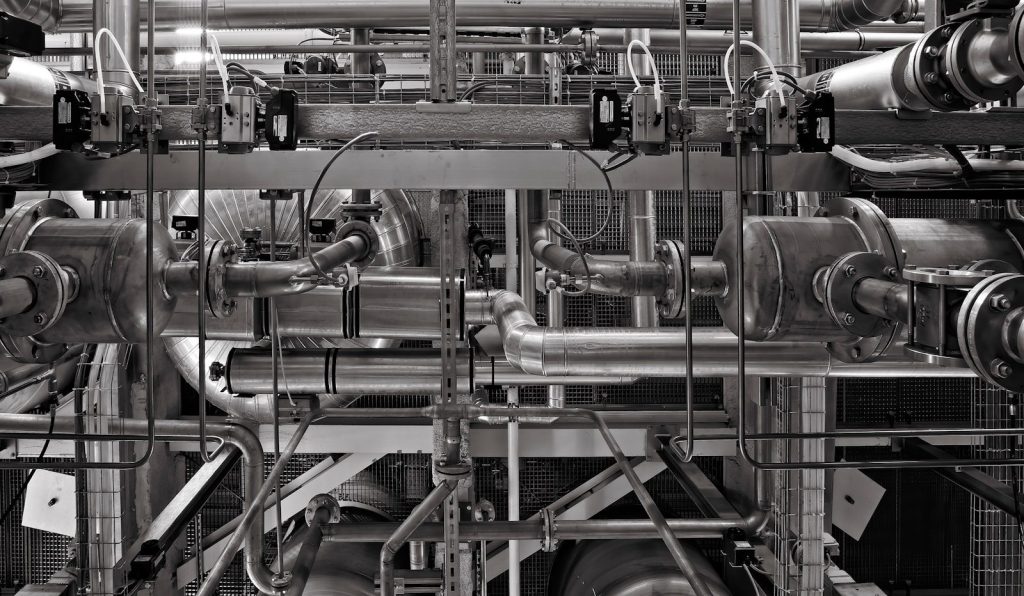
Regular maintenance of industrial equipment forms a cornerstone of workplace safety that many organizations underestimate. Mechanical systems operating under pressure or extreme temperatures require scheduled inspections to prevent catastrophic failures. Heat exchanger gaskets, for example, must be inspected quarterly in most industrial settings to ensure they maintain proper seals and prevent dangerous leaks. These components withstand constant thermal cycling and chemical exposure, making them particularly vulnerable to degradation over time. Maintenance teams should document every inspection with detailed logs that include pressure readings, visual assessments, and any signs of wear or damage. Replacing worn components before they fail prevents emergency shutdowns that can put workers at risk during rushed repairs.
The selection of appropriate sealing materials represents another critical decision that directly impacts worker safety. Industrial facilities must stock gasket sheets manufactured from materials suited to their specific applications and chemical environments. Using incorrect materials can lead to premature failure, exposing workers to hazardous substances or extreme temperatures. Procurement departments should work closely with safety officers and maintenance supervisors to ensure that replacement parts meet or exceed original equipment specifications. Many facilities maintain a minimum inventory of critical components to avoid delays when repairs become necessary. This proactive approach reduces the temptation to use makeshift solutions that compromise safety during urgent situations.
Training programs that create lasting behavioral change
Effective safety training goes far beyond showing orientation videos to new employees. Comprehensive programs incorporate hands-on demonstrations, scenario-based learning, and regular refresher courses that keep safety protocols fresh in workers’ minds. Studies show that employees retain only about thirty percent of information presented in lecture format, but retention jumps to seventy-five percent when they actively participate in practical exercises. Annual recertification requirements ensure that workers stay current with evolving best practices and regulatory changes. Companies should dedicate at least forty hours per year to safety training for employees working in high-risk environments.
Engaging employees as active participants in safety culture transforms compliance from an obligation into a shared responsibility. Facilities that implement peer observation programs, where workers monitor each other’s adherence to protocols, report significantly fewer incidents than those relying solely on management oversight. Encouraging workers to report near-misses without fear of punishment provides valuable data for preventing future accidents. Many successful safety programs incorporate incentive systems that reward teams for achieving milestone periods without incidents, though experts caution against programs that might discourage legitimate injury reporting. The goal should always be genuine safety improvement rather than merely manipulating statistics.
Environmental controls and hazard mitigation
Physical workspace design plays an enormous role in preventing accidents and protecting employee health. Adequate lighting reduces eye strain and prevents trips and falls, with most safety experts recommending at least five hundred lux for general work areas and one thousand lux for detailed tasks. Ventilation systems must be sized appropriately to remove airborne contaminants and maintain comfortable temperatures, typically requiring eight to twelve air changes per hour in industrial settings. Noise levels exceeding eighty-five decibels require hearing protection and exposure time limits to prevent permanent hearing damage. Regular air quality testing identifies problems before they cause health issues, with quarterly monitoring recommended for facilities handling chemicals or producing particulate matter.
Temperature control extends beyond comfort to genuine safety concerns in many work environments. Heat exchanger gaskets and other critical sealing components in HVAC and process systems require monitoring to maintain proper climate control. Workers exposed to temperatures above thirty degrees Celsius face increased risk of heat exhaustion and decreased cognitive function. Cold environments below ten degrees Celsius create risks including reduced dexterity and hypothermia during extended exposure. Employers must provide appropriate rest periods, hydration stations, and personal protective equipment suited to the thermal conditions workers face.
Personal protective equipment selection and enforcement
The right personal protective equipment can mean the difference between a minor incident and a life-altering injury. However, providing equipment alone does not ensure safety if workers find it uncomfortable or impractical for their tasks. Modern PPE designs balance protection with comfort and mobility, making consistent use more likely. Safety glasses with anti-fog coatings and adjustable frames see much higher compliance rates than older models that constantly slip or obscure vision. Similarly, hearing protection now comes in varieties that attenuate harmful frequencies while allowing normal conversation, reducing the isolation that made workers reluctant to wear older designs. Investing in quality equipment demonstrates organizational commitment to worker wellbeing and typically improves compliance without additional enforcement.
Enforcement policies must strike a careful balance between accountability and avoiding a punitive atmosphere that discourages reporting. Progressive discipline systems that start with coaching and education before escalating to formal consequences work better than zero-tolerance approaches that may drive safety violations underground. Supervisors should receive training in constructive correction techniques that emphasize understanding why workers might skip safety measures. Sometimes equipment doesn’t fit properly, interferes with necessary tasks, or seems excessive for perceived risk levels. Addressing these legitimate concerns through improved equipment selection or procedural modifications builds trust and cooperation.
Maintaining vigilance through continuous improvement
The Critical Elements for Maintaining a Safe Work Environment require ongoing attention rather than one-time implementation. Monthly safety committee meetings that include frontline workers alongside management provide forums for identifying emerging hazards and evaluating control measures. Tracking leading indicators like near-miss reports and safety observation submissions offers more actionable data than lagging indicators such as injury rates alone. Root cause analysis of every incident, regardless of severity, uncovers systemic issues that might otherwise persist. Organizations should benchmark their safety performance against industry standards and learn from both their own experiences and those of others in similar fields.
Technology continues to expand the possibilities for workplace safety monitoring and intervention. Wearable sensors can detect worker fatigue, exposure to harmful gases, or dangerous heat levels before they cause medical emergencies. Video analytics identify unsafe behaviors or conditions in real-time, allowing immediate correction. Digital checklists and mobile inspection apps ensure consistent completion of safety protocols while automatically generating compliance documentation. These tools complement rather than replace human judgment and the Critical Elements for Maintaining a Safe Work Environment still depend fundamentally on organizational commitment and worker engagement. The most sophisticated monitoring systems fail without a culture that values safety above production pressure and short-term cost savings. Does your organization truly prioritize prevention over profits when they conflict?
