
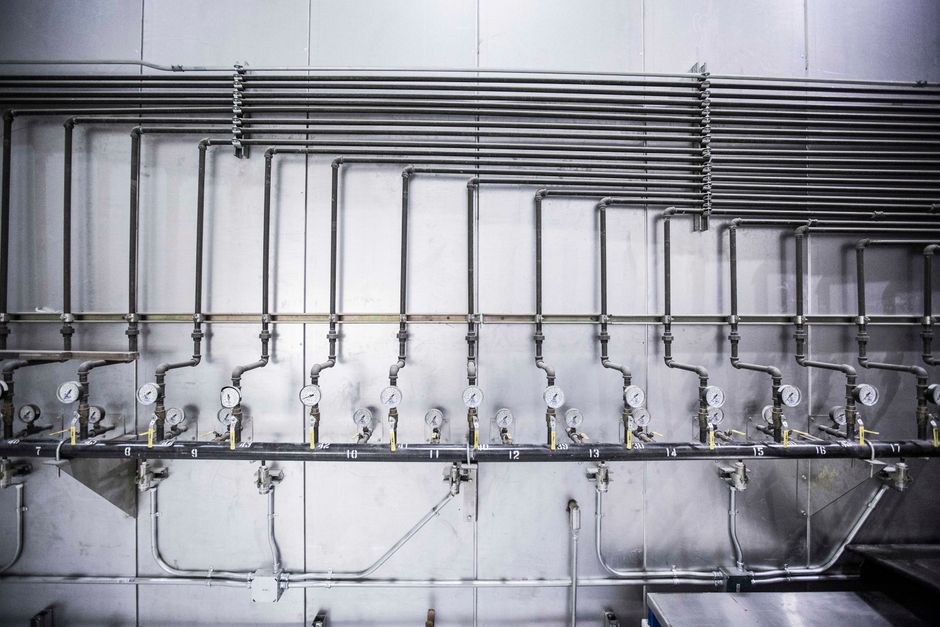
Optimizing Performance in Oil and Gas Pipeline Systems requires a comprehensive understanding of the mechanical, operational, and maintenance factors that influence throughput and reliability. Pipeline systems transport trillions of cubic feet of natural gas and millions of barrels of oil annually across continents, making their efficient operation crucial to global energy security. The difference between an optimized system and an underperforming one can translate to millions of dollars in lost revenue and increased environmental risk. Modern pipeline operations demand attention to detail at every junction, valve station, and compression point throughout the network.
The most critical aspect of pipeline performance begins with proper installation and material selection. Engineers must account for temperature variations ranging from minus 40 to plus 150 degrees Fahrenheit in some regions, pressure ratings that can exceed 1,500 PSI, and corrosive environments that accelerate component degradation. Every connection point represents a potential failure mode, which is why sealing technology has become increasingly sophisticated. Traditional gasket materials often fail under thermal cycling, leading to leaks that reduce system pressure and compromise safety. The selection of appropriate sealing solutions directly impacts long-term operational costs and maintenance intervals.
Sealing technology and system integrity
Advanced sealing solutions have revolutionized how pipeline operators maintain system integrity under extreme conditions. Kammprofile gaskets represent a significant advancement in high-pressure sealing technology, combining a serrated metal core with soft sealing layers to create reliable connections at flange joints. These components provide superior performance in applications where temperature fluctuations and pressure variations would cause conventional gaskets to fail prematurely. The serrated profile allows the gasket to maintain contact pressure across the sealing surface even when thermal expansion occurs, reducing the risk of fugitive emissions and unplanned shutdowns.
Pipeline operators conducting routine inspections should prioritize flange connections that show signs of weeping or staining, as these indicate compromised seals. Replacing degraded seals before catastrophic failure occurs prevents costly emergency repairs and production losses. Modern inspection protocols recommend using ultrasonic testing and infrared thermography to detect early-stage seal degradation before visible leaks appear. When specifications call for robust sealing in high-temperature applications, kammprofile gaskets offer documented reliability with lower maintenance requirements compared to traditional compressed fiber designs. The initial investment in superior sealing technology typically returns value within the first two years through reduced maintenance cycles and improved uptime.
Flow optimization through ba 203 compliance standards
Regulatory frameworks play an essential role in establishing performance benchmarks that drive system optimization. Standards such as ba 203 provide specific guidance for pipeline construction, material selection, and operational parameters that ensure consistent performance across different operating conditions. Adherence to these standards reduces variability in component quality and establishes baseline expectations for system design. Pipeline operators who implement comprehensive quality management systems aligned with ba 203 requirements typically experience 15 to 20 percent fewer unplanned maintenance events compared to facilities with less rigorous protocols.
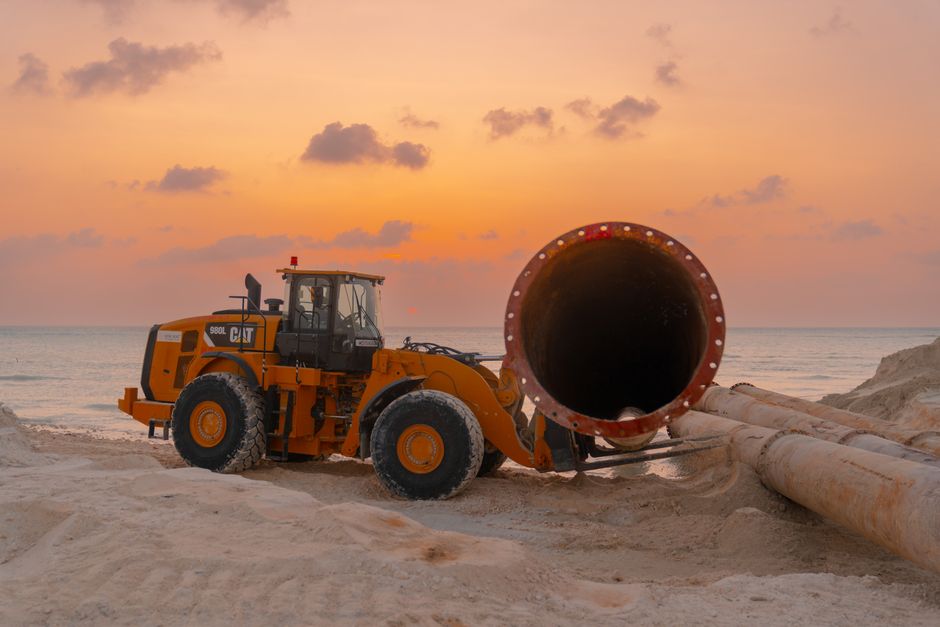
Flow optimization begins with understanding the hydraulic characteristics of your specific pipeline configuration. The Darcy-Weisbach equation governs pressure drop calculations, but real-world performance depends on factors including pipe roughness, fluid viscosity, and flow regime. Operators can improve throughput by up to 8 percent simply by maintaining proper internal coating integrity and removing accumulated scale deposits during scheduled maintenance windows. Installing drag-reducing agents in liquid pipelines offers another proven method for increasing capacity without infrastructure expansion. These polymer additives modify turbulent flow characteristics, allowing existing pipelines to transport higher volumes at the same pressure differential.
Compression and pumping efficiency strategies
The energy consumed by compressors and pumps represents one of the largest operational expenses in pipeline systems, often accounting for 40 to 60 percent of total operating costs. Optimizing this equipment delivers immediate financial returns while reducing environmental impact. Modern variable frequency drives allow operators to match compression power precisely to flow demand, eliminating the energy waste associated with constant-speed operation and throttling control. A properly tuned compression station can reduce energy consumption by 12 to 18 percent compared to older fixed-speed configurations.
Compressor station efficiency depends heavily on intercooler performance and pressure ratio optimization. Operators should monitor discharge temperatures and adjust stage loading to maintain temperatures within manufacturer specifications, typically between 250 and 300 degrees Fahrenheit for natural gas applications. Excessive discharge temperatures indicate inefficient compression that wastes energy and accelerates component wear. Regular analysis of compression ratios across multiple stages helps identify imbalances that reduce overall efficiency. When compression ratios exceed 1.6 per stage, efficiency drops significantly due to increased clearance volume effects and higher discharge temperatures.
Preventive maintenance programs that maximize uptime
How often should you inspect critical pipeline components to prevent failures without overspending on unnecessary maintenance? Data from thousands of pipeline systems indicates that risk-based inspection intervals tailored to specific operating conditions provide optimal results. High-consequence areas near populated regions or water crossings warrant more frequent inspection, while remote sections with stable operating histories can extend intervals safely. Pipeline operators using predictive maintenance technologies report 25 to 35 percent reductions in maintenance costs compared to time-based programs that inspect all segments equally.
Corrosion management represents perhaps the most important aspect of long-term pipeline performance. External coating systems typically last 20 to 30 years when properly applied and monitored, but coating failures accelerate exponentially after defects appear. Cathodic protection systems must maintain adequate current density across all pipeline sections, with periodic surveys confirming that pipe-to-soil potentials remain below negative 850 millivolts relative to a copper-sulfate reference electrode. Inline inspection tools equipped with magnetic flux leakage sensors can detect wall thickness losses as small as 10 percent, allowing targeted repairs before leaks develop.
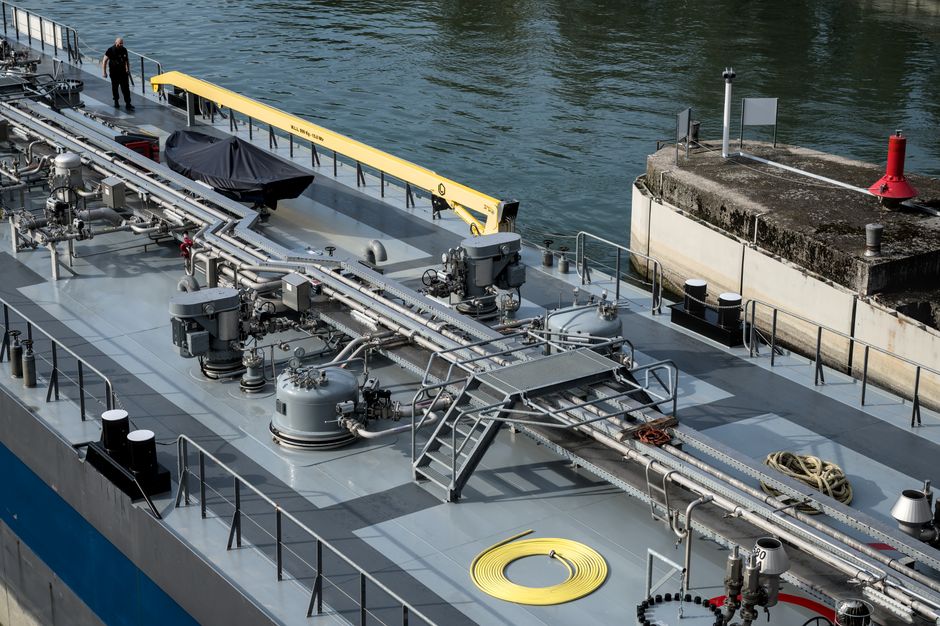
Digital technologies transforming pipeline operations
The integration of sensors, data analytics, and machine learning algorithms has fundamentally changed how operators approach performance optimization. Modern SCADA systems collect thousands of data points per second from pressure transmitters, flow meters, and temperature sensors distributed throughout the pipeline network. This information enables operators to detect anomalies within minutes rather than hours, reducing response times and minimizing product losses. Advanced analytics platforms can predict equipment failures three to six months in advance by identifying subtle changes in vibration signatures, temperature trends, and performance degradation patterns.
Digital twin technology allows operators to model pipeline behavior under various scenarios without risking actual infrastructure. These virtual replicas incorporate real-time operating data to simulate the effects of flow rate changes, temperature variations, and equipment modifications before implementing them in the field. Companies using digital twins for optimization report 10 to 15 percent improvements in throughput capacity and similar reductions in energy consumption. The technology also accelerates operator training by providing a risk-free environment for practicing emergency response procedures and system adjustments.
Strategic approaches to capacity expansion
When existing pipelines approach maximum capacity, operators face critical decisions about expansion strategies. Adding compression or pumping capacity often provides the most cost-effective solution, increasing throughput by 15 to 25 percent for 20 to 30 percent of new pipeline construction costs. Loop lines that parallel existing routes offer another alternative, effectively doubling capacity in high-demand corridors while providing operational redundancy. Each approach requires careful hydraulic analysis to ensure that downstream facilities can handle increased flows without creating bottlenecks.
Optimizing Performance in Oil and Gas Pipeline Systems through capacity expansion demands consideration of long-term demand projections and regulatory approval timelines. Major pipeline projects typically require three to five years from initial planning to commercial operation, making accurate demand forecasting essential. Operators should also evaluate whether drag reduction, diameter modifications, or pressure rating increases might achieve capacity goals more economically than constructing new infrastructure. The optimal solution depends on specific system characteristics, operating pressures, and geographic constraints unique to each pipeline network.
