
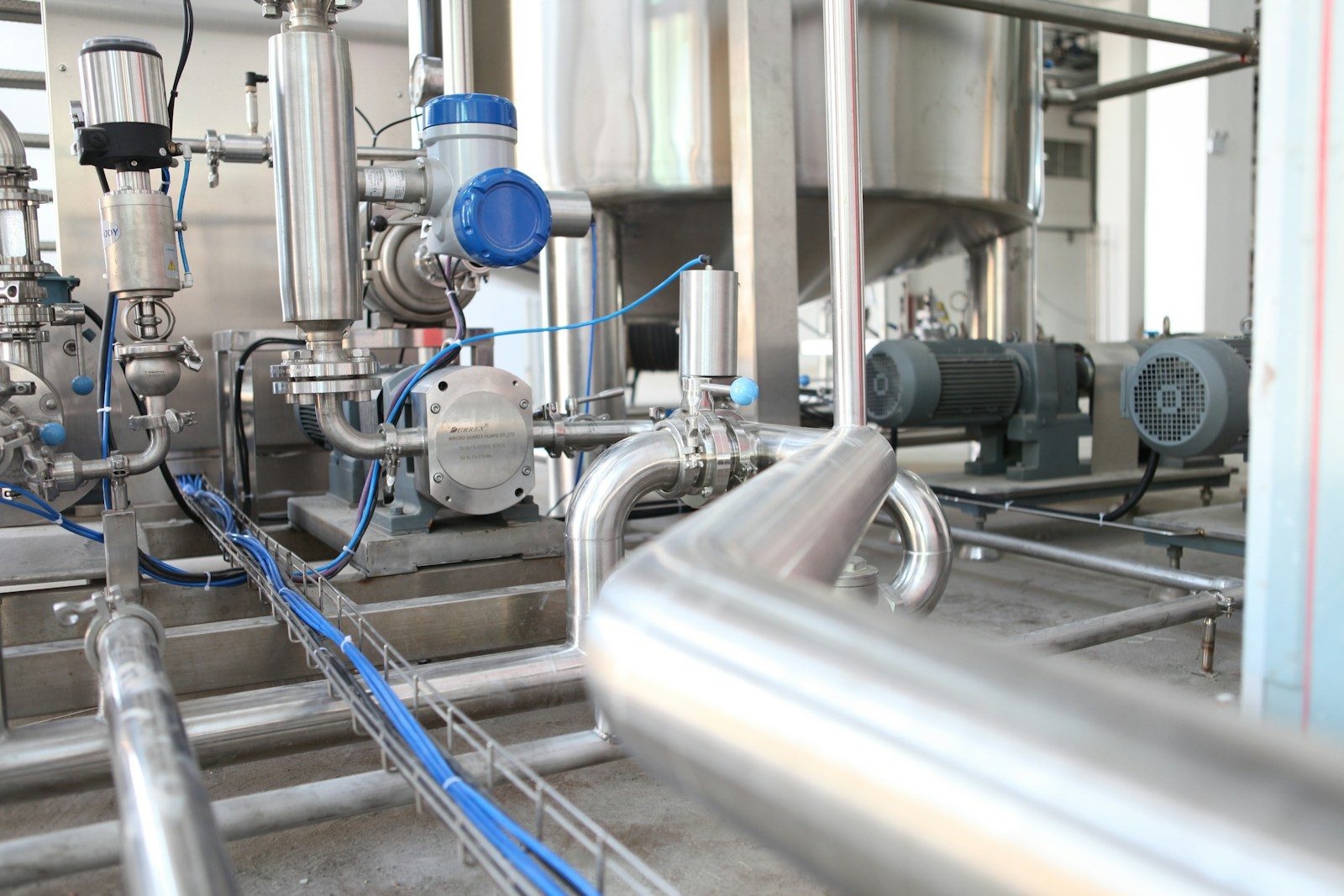
Preventing leaks in chemical processing equipment and storage tanks represents one of the most critical challenges facing industrial facilities today. A single leak can result in environmental damage, worker injuries, production downtime, and regulatory penalties that cost companies millions of dollars annually. Chemical processing plants handle corrosive acids, reactive compounds, and toxic substances that demand absolute containment integrity. The consequences of failure extend beyond immediate financial losses to include long-term reputation damage and potential criminal liability. Every facility manager and maintenance engineer must prioritize leak prevention through systematic inspection protocols, proper material selection, and rigorous maintenance schedules. Modern industrial operations cannot afford to treat sealing systems as an afterthought when designing or maintaining chemical processing infrastructure.
Common failure points in chemical storage systems
Storage tanks and processing equipment fail at predictable locations that maintenance teams must monitor continuously. Flange connections represent the most frequent leak sources, accounting for approximately 60 percent of all unplanned releases in chemical facilities. Valve stems and packing glands deteriorate under thermal cycling and chemical exposure, creating pathways for product escape. Manway covers and access ports develop leaks when gasket materials degrade or when bolting loses tension over time. Welded seams can develop stress cracks from thermal expansion, vibration, or metal fatigue after years of service. Even properly installed systems require ongoing attention because chemical attack progressively weakens sealing materials and structural components. Tank shells themselves can corrode from the inside when internal coatings fail or when process chemistry changes unexpectedly. Pump and agitator shaft seals face particularly harsh conditions that combine mechanical wear with chemical degradation. Understanding these vulnerability points allows maintenance teams to focus inspection resources where problems most commonly emerge.
Material selection strategies for superior sealing
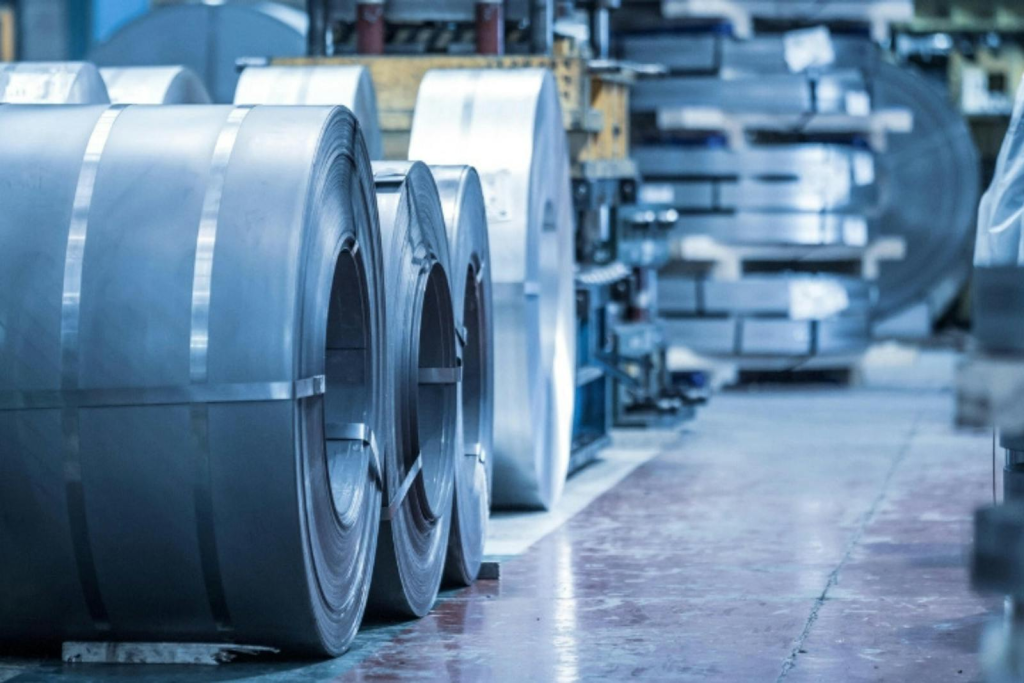
Choosing appropriate sealing materials determines whether your containment system succeeds or fails under real operating conditions. Gasket sheets must resist the specific chemicals present in your processes while maintaining flexibility across the temperature ranges your equipment experiences. Compressed fiber materials work well for general industrial applications but fail rapidly when exposed to strong oxidizers or high-temperature steam. Expanded PTFE gaskets provide excellent chemical resistance and conformability but require careful bolt loading to prevent extrusion under pressure. The selection of mica gasket material offers exceptional performance in high-temperature applications where organic materials would decompose or burn. Manufacturers often overlook the importance of matching gasket hardness to flange surface finish and bolt spacing. Soft materials conform better to imperfect surfaces but may extrude under high pressure. Harder materials resist extrusion but require near-perfect flange flatness to seal effectively. Metal-reinforced composites provide structural strength while maintaining chemical resistance, making them ideal for large-diameter flanges subjected to thermal cycling.
Installation practices that prevent premature failure
Even the best materials fail when installation procedures introduce defects or stress concentrations. Flange surfaces must be cleaned thoroughly and inspected for scratches, corrosion, or warping before placing new gaskets. Using wire brushes or abrasive pads can create surface scratches that provide leak paths, so maintenance teams should use softer cleaning methods whenever possible. Gasket centering becomes critical for pressure-containing connections because even slight misalignment creates uneven loading that crushes one edge while leaving gaps on the opposite side. Bolt tightening sequences must follow star patterns that progressively load the gasket uniformly rather than crushing one section completely before moving to adjacent bolts. Torque specifications provided by gasket manufacturers account for material compressibility and must be followed precisely rather than relying on worker judgment. Using calibrated torque wrenches prevents both under-tightening that leaves gaps and over-tightening that crushes gasket materials beyond their elastic limit. Temperature affects bolt tension significantly, so some critical applications require hot retorquing after the system reaches operating temperature. Should you always apply sealant compounds to gasket surfaces? Generally no, because most modern materials seal through compression alone, and sealants can contaminate process streams or mask installation defects.
Inspection protocols for early leak detection
Systematic inspection programs identify developing problems before minor seepage escalates into major releases. Visual inspections should occur during every operational shift in areas containing hazardous chemicals, with maintenance personnel specifically trained to recognize early warning signs. Crystalline deposits around flanges indicate intermittent weeping that worsens under thermal or pressure cycling. Staining or discoloration of equipment surfaces reveals chemical contact from vapor-phase leaks too small to see directly. Ultrasonic leak detection equipment identifies pressure leaks by detecting the high-frequency sound they generate, allowing technicians to pinpoint problems without waiting for visible evidence. Infrared thermography reveals temperature anomalies that indicate process fluid escaping from insulated systems. Portable gas detectors provide real-time monitoring for toxic or flammable chemical releases in concentrations far below hazardous levels. Scheduled flange inspections should include bolt tension verification using calibrated torque wrenches because thermal cycling gradually relaxes bolted connections over months or years. Documentation systems must track inspection findings and maintenance actions to identify recurring problems that indicate fundamental design issues requiring engineering modifications.
Selecting gasket sheets for demanding chemical environments
The transition from precut gaskets to field-fabricated solutions using gasket sheets provides flexibility for non-standard equipment and emergency repairs. Sheet materials allow maintenance teams to create custom gaskets for unusual flange sizes, manway covers, and equipment modifications without waiting for vendor fabrication. Proper die cutting or template cutting ensures dimensional accuracy that hand-cutting with utility knives cannot achieve. Storage conditions affect sheet material performance, particularly for hygroscopic materials that absorb moisture from ambient air. Climate-controlled storage rooms maintain material properties and extend shelf life for specialty compounds sensitive to temperature or humidity fluctuation. Many facilities stock multiple sheet thicknesses to accommodate different flange types and pressure classes within their operations. Thicker sheets conform better to rough or damaged flanges but require higher bolt loads to achieve initial seal. When working with mica gasket material in sheet form, careful handling prevents delamination or edge damage that creates potential leak paths. Training maintenance personnel in proper gasket fabrication techniques prevents waste and ensures consistent quality across multiple shifts and technicians.
Maintenance strategies extending equipment life
Proactive maintenance programs catch deteriorating conditions before catastrophic failures occur. Retorquing bolted connections at scheduled intervals compensates for gasket creep relaxation that occurs naturally in compressed sealing materials. Operating condition changes require engineering review to verify that existing gasket materials remain appropriate for modified chemistry, temperature, or pressure parameters. Preventive gasket replacement during planned shutdowns costs far less than emergency repairs following unexpected releases. Vibration monitoring on pumps and agitators identifies bearing wear before shaft movement damages mechanical seals or packing. Corrosion monitoring programs using ultrasonic thickness testing track metal loss rates in tank shells and piping systems, providing data for remaining life calculations. Pressure relief devices require annual testing and certification to ensure they function properly when overpressure events occur. Documentation of all maintenance activities creates historical records that support root cause analysis when problems develop despite preventive efforts. How often should facilities conduct comprehensive seal system audits? Industry best practice suggests annual audits for critical equipment and biennial reviews for general process systems.
Preventing leaks in chemical processing equipment and storage tanks demands sustained commitment to material quality, installation excellence, and systematic inspection. The costs of implementing comprehensive leak prevention programs pale compared to the environmental remediation, regulatory penalties, and production losses that follow containment failures. Organizations that prioritize sealing system integrity protect their workers, their communities, and their long-term operational viability.
